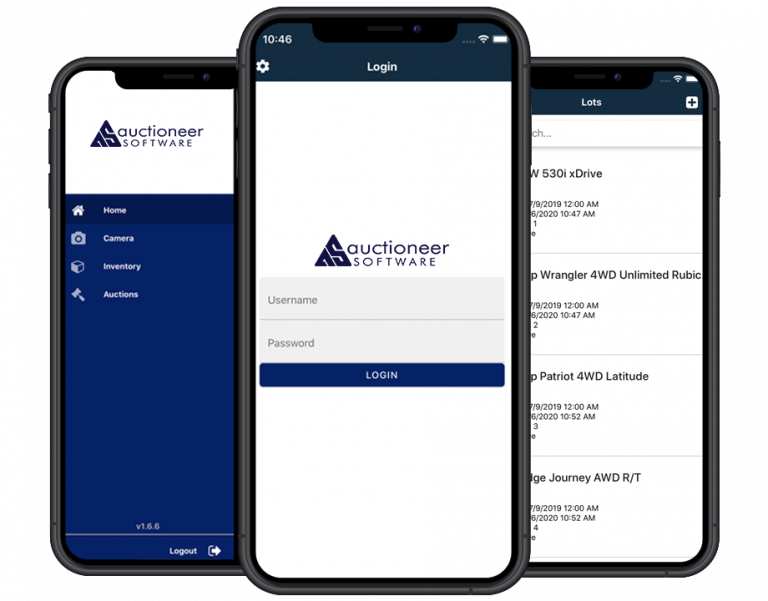
In today’s auction landscape, software plays a central role in determining the success of an online auction. From managing bidders to organizing inventory and tracking performance, the right tools allow auctioneers to run more efficient, scalable, and profitable events.
Modern auction platforms now go beyond basic bidding; they combine online auction software, live simulcast tools, real estate auction systems, clerking tools, and marketing services into one unified solution.
This article explores the essential software components that power successful auctions, helping you understand which tools are required to create a seamless, high-performing auction experience.
Let’s take a closer look at the core elements that make up a complete auctioneer’s toolkit.
Efficiency and accuracy are critical in online auctions. Automation tools help reduce manual work, minimize errors, and ensure that every part of the auction process runs smoothly.
Today’s auction software platforms include:
By combining these tools into one system, auctioneers can manage every auction type from a single platform.
Modern auction software provides real-time inventory tracking, giving auctioneers full visibility into item availability.
Advanced platforms also allow:
Bulk lot imports
Unlimited images per item
Automated consignor statements and invoicing
This ensures your auction remains accurate, organized, and easy to manage from start to finish.
Keeping bidders informed is essential for engagement.
Built-in automation tools can:
Notify bidders about upcoming auctions
Send reminders before bidding closes
Provide real-time updates during the auction
These features are often integrated with mobile bidding apps and online platforms, ensuring bidders stay connected from anywhere.
Managing multiple listings becomes significantly easier with automation.
Auction software can:
Organize and categorize lots
Update listings instantly
Sync across your website and bidding platform
Many platforms also include auction cataloging tools, making it easier to build and manage large auctions efficiently.
The bidder experience directly impacts auction success.
Modern auction platforms improve usability through:
Some systems also offer white-label auction websites, allowing you to run auctions under your own brand, domain, and bidder database.
This creates a more professional experience and helps build long-term bidder loyalty.
Access to real-time data gives auctioneers a major advantage.
With the right software, you can track:
Most platforms include built-in reporting tools, such as:
Advanced auction platforms go further by offering customizable reporting.
This allows you to:
Combined with marketing services like SEO, digital advertising, and content strategy, these insights help drive more bidders and stronger results.
A smooth bidder registration process is essential for maximizing participation.
Modern auction software supports:
This is especially important when using:
These systems ensure that bidders can register quickly and participate without friction.
In modern auctions, success depends on having a complete, integrated toolkit.
The most effective auction platforms combine:
All within a single, white-labeled, commission-free platform that allows auctioneers to keep 100% of their profits.